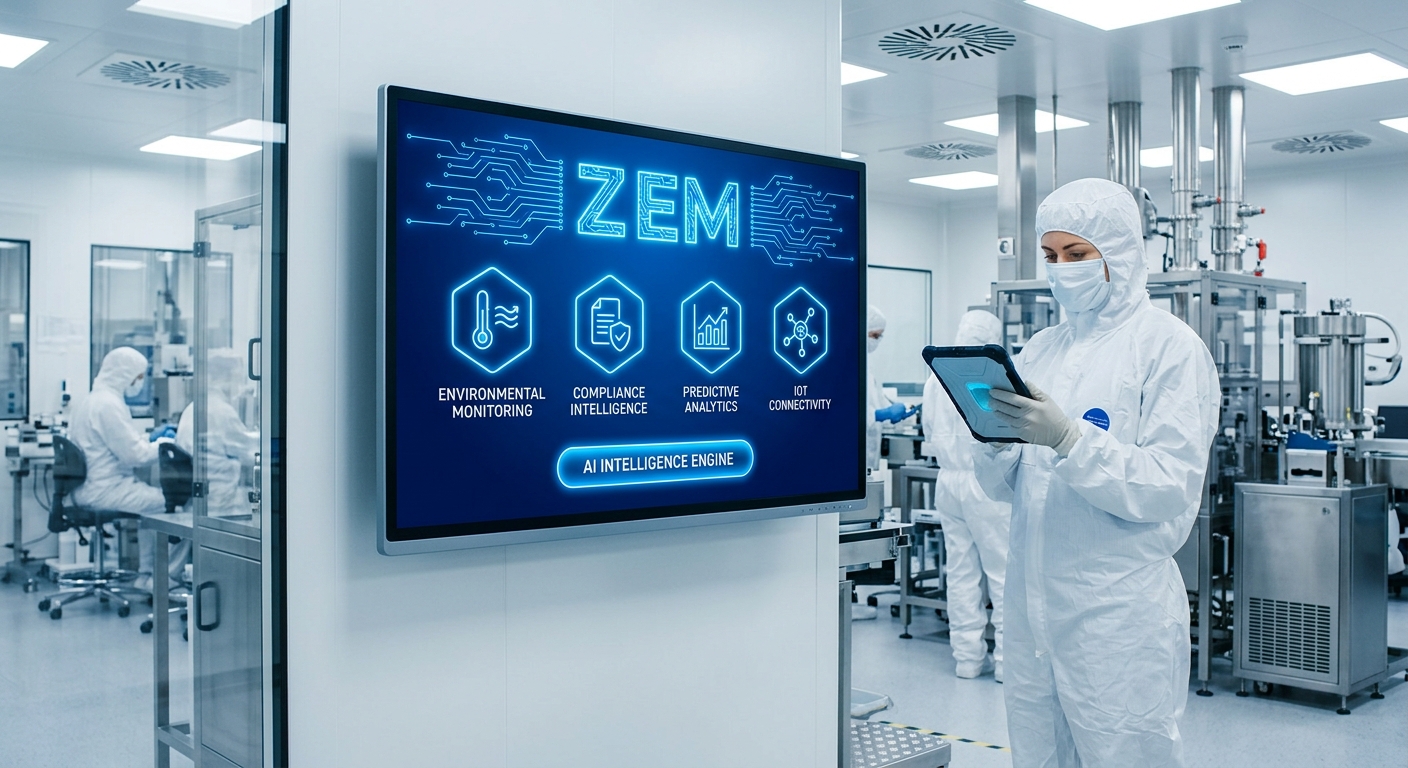
When an environmental excursion occurs in a Grade A or Grade B cleanroom, every hour counts. Yet in many facilities, root cause investigations stall for weeks while quality teams manually cross-reference paper logs across multiple departments.
The Manual Investigation Bottleneck
Determining whether a microbial excursion stems from a true cleanroom contamination event or a laboratory handling artifact requires reconstructing the entire lifecycle of the agar plate. In paper-based workflows, investigators must physically gather media preparation batch records, autoclave sterilization charts, cleanroom sampling sheets, and incubator temperature logs.
"Over 60% of environmental excursion investigation time is spent simply gathering and verifying disconnected paper records."
End-to-End QR Code Plate Lineage
Zent EM eliminates manual record hunting by assigning a unique serialized QR code to every plate at the moment of dispensing. Each custody handover—from QA release to cleanroom sampling, incubator loading, and colony counting—is verified via barcode scan.
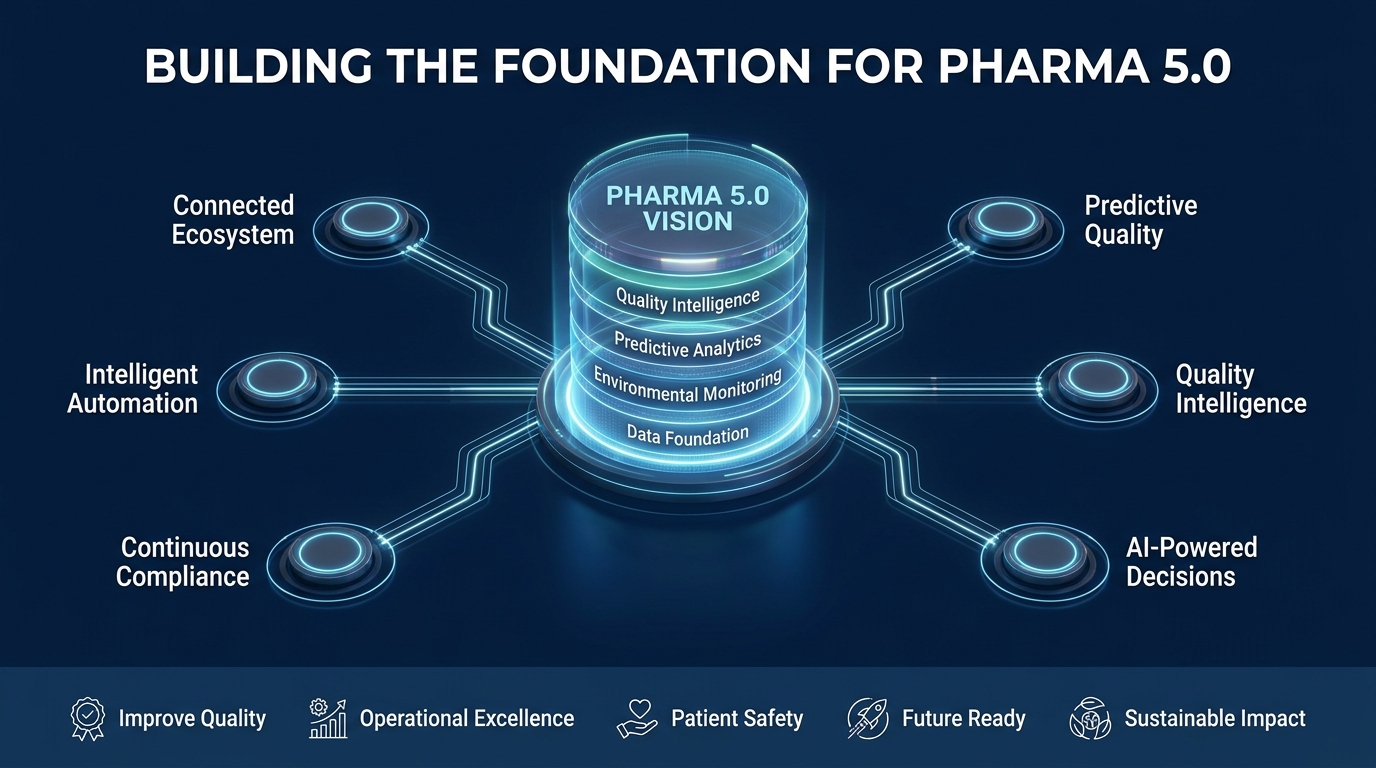
Figure 1: Closed-loop digital chain of custody from media preparation to final CFU reconciliation.
Connecting Media Preparation & Incubation
By linking the Plate Lifecycle module directly with Media Preparation, Zent EM automatically validates that every sample plate comes from a growth-promoted, sterile batch within its shelf-life window. Full plate reconciliation ensures zero missing samples between the cleanroom floor and the microbiology lab.
Instant Chain-of-Custody
With a single click on any excursion result, QA reviewers can inspect the exact media batch, autoclave cycle, sampling technician, air sampler calibration status, and incubator chamber history.
70% Faster Root Cause & CAPA Closure
When lineage data is unified, Zent EM's Decision Intelligence engine immediately highlights shared variables across excursions—such as a common operator, airlock corridor, or incubator shelf—cutting investigation cycle times by up to 70% and accelerating confident batch release.