
Traditional environmental monitoring operates in the past tense. Because microbial incubation cycles take days, quality teams often discover cleanroom excursions only after a critical batch has already progressed through manufacturing.
The Limits of Reactive Thresholds
Most pharmaceutical facilities rely on static Alert and Action limits. While essential for regulatory compliance, static thresholds only trigger when a microbial count or particle reading crosses a predefined line. They fail to capture subtle micro-trends—such as gradual bioburden drift across adjacent Grade B corridors—until an excursion occurs.
"Predictive quality intelligence shifts the question from 'Did we pass our action limit?' to 'Where is our cleanroom environment drifting over the next 72 hours?'"
AI-Driven Pattern Recognition
By aggregating historical CFU counts, HVAC differential pressure logs, temperature-humidity fluctuations, and operator gowning records, machine learning models can uncover multi-variable correlations that manual spreadsheet reviews cannot detect.
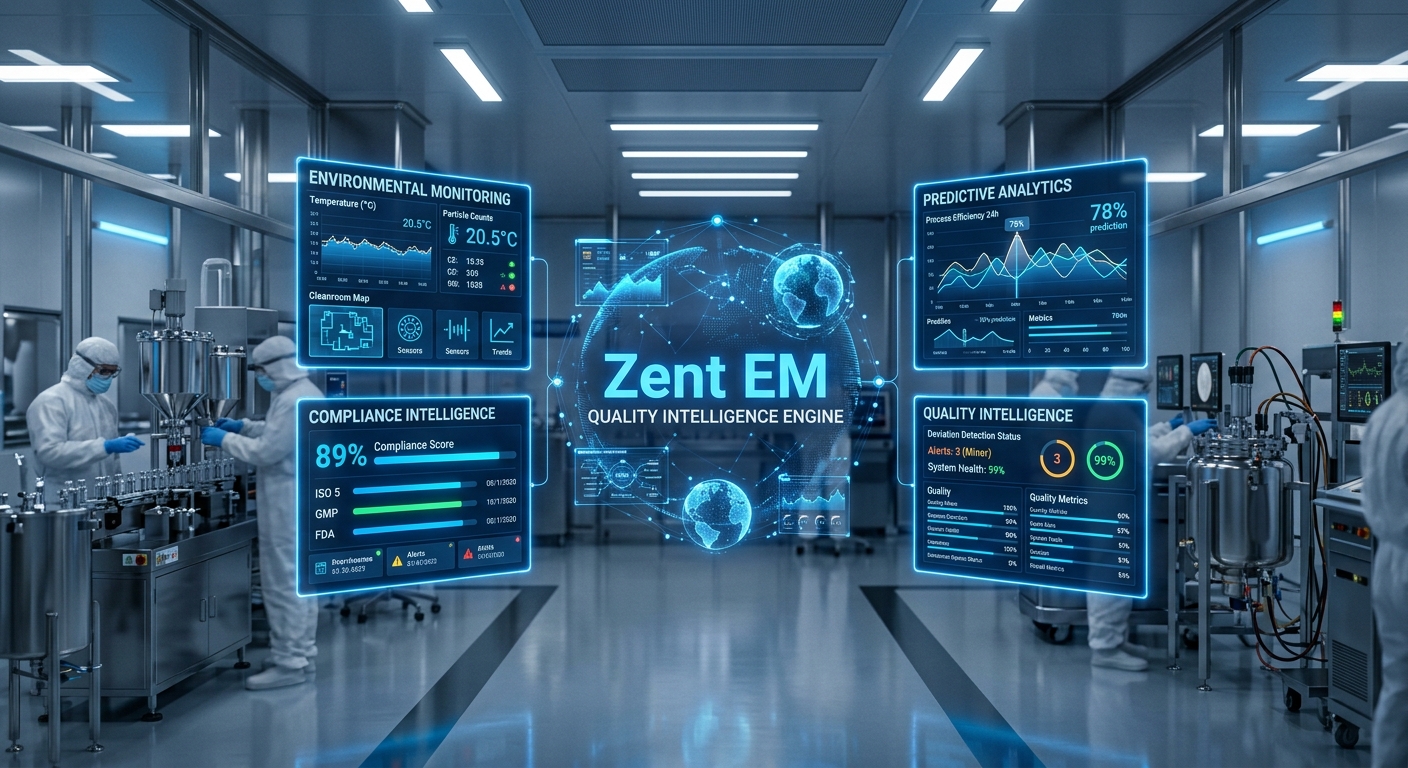
Figure 1: Multi-stream environmental correlation and anomaly detection in Zent EM.
Early Excursion Warnings
Zent EM's Predictive Intelligence module continuously evaluates rolling baseline distributions for every sampling location. When a statistically significant upward drift or clustering anomaly is detected—even well below the official Alert level—the system issues an early warning to microbiologists and QA supervisors.
Key Predictive Signals
Machine learning algorithms monitor rolling 30-day micro-flora shifts, seasonal humidity correlations, and operator traffic density to flag high-probability contamination zones before thresholds are breached.
Adaptive Sampling Strategies
Under EU GMP Annex 1, a Contamination Control Strategy (CCS) must be dynamic and continuously refined. Predictive analytics enables adaptive sampling—guiding quality teams to temporarily increase sampling frequency in zones showing early statistical drift while optimizing routine schedules in stable areas.
Proactive Batch Protection
Ultimately, predictive environmental monitoring protects both patient safety and manufacturing throughput. By intervening with targeted sanitization or HVAC maintenance before an Action limit is exceeded, pharmaceutical manufacturers eliminate costly batch quarantines and lengthy root-cause investigations.