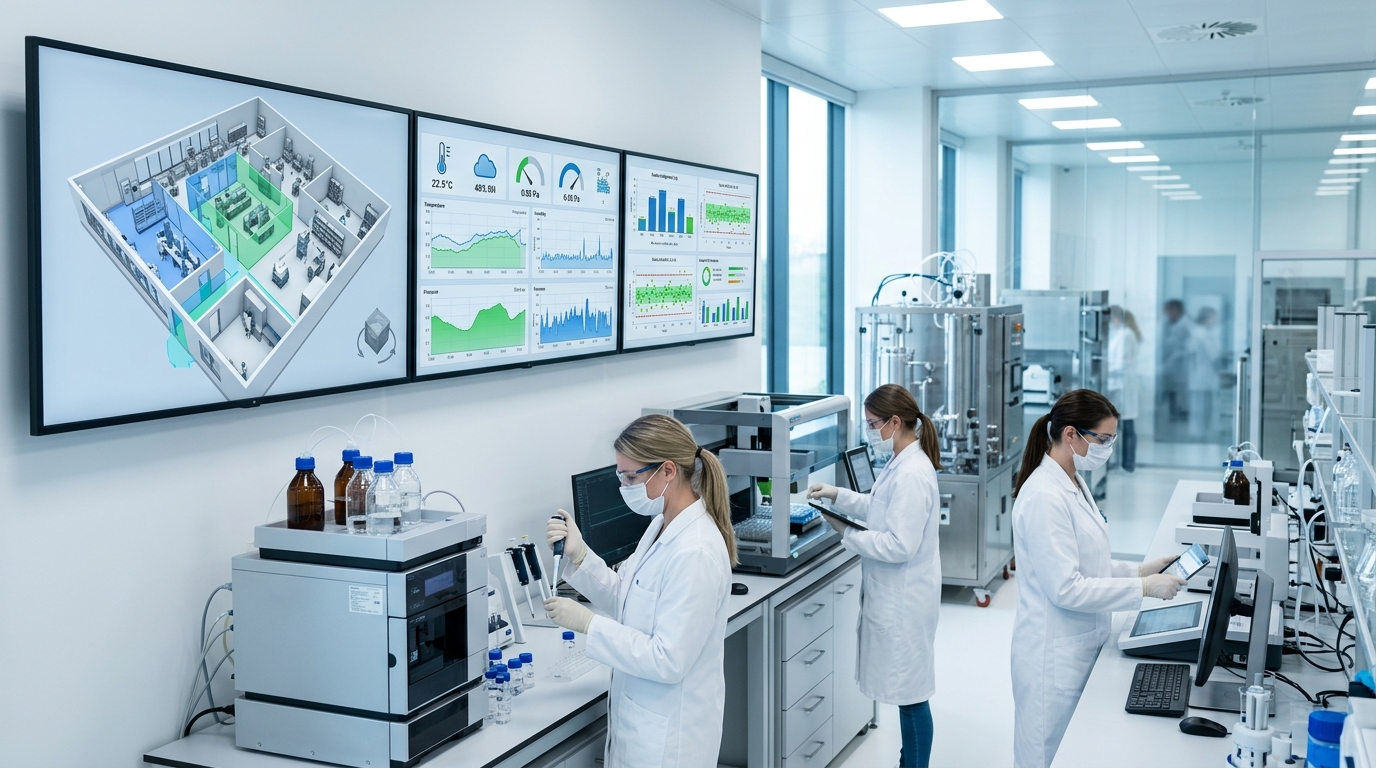
For decades, Environmental Monitoring (EM) in the pharmaceutical industry has been viewed primarily through the lens of compliance. It was a mandatory activity—a check-box exercise to satisfy regulatory requirements like Annex 1 or FDA 21 CFR Part 11.
Introduction
Environmental Monitoring (EM) plays a critical role in maintaining controlled conditions within pharmaceutical manufacturing environments. It helps organizations assess environmental conditions, identify potential contamination concerns and support decisions related to product quality. Yet the process involves much more than collecting samples and recording results. Sampling, plate management, incubation, observations, review and reconciliation all generate information that needs to remain connected and traceable.
"The true value of environmental monitoring isn't in the logs we keep, but in the contamination events we prevent."
Environmental Monitoring (EM) plays a critical role in maintaining controlled conditions within pharmaceutical manufacturing environments. It helps organizations assess environmental conditions, identify potential contamination concerns and support decisions related to product quality. Yet the process involves much more than collecting samples and recording results. Sampling, plate management, incubation, observations, review and reconciliation all generate information that needs to remain connected and traceable.
Connecting the EM Workflow
Moving beyond simple data collection means integrating multiple data streams—air quality, surface sampling, personnel monitoring—into a unified view. This is where the evolution begins. By digitizing the workflow, organizations gain immediate visibility into the state of their cleanrooms.
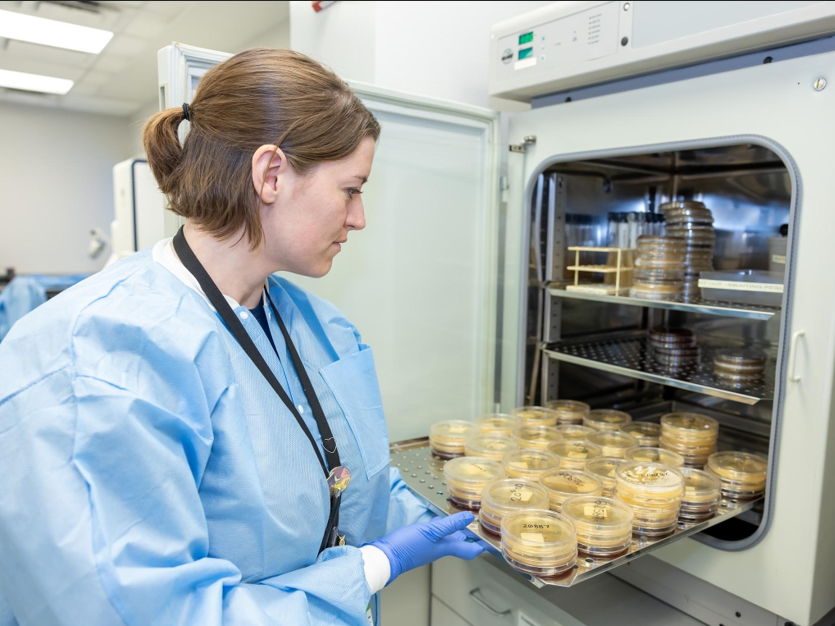
A digital plate lifecycle approach can associate a unique plate identifier with its activity, location, sampling time, responsible personnel, incubation information, observations, results and review status. QR codes or other unique identifiers can simplify retrieval of the corresponding record when supported by the system.
From Data Collection to Quality Intelligence
An individual result provides information about a particular monitoring event. Reviewing results collectively can provide a broader view of environmental performance. Depending on the data available and approved procedures, teams may review historical CFU trends by location, repeated observations, changes across monitoring periods and patterns that warrant further examination.
A trend does not, by itself, establish a root cause or confirm contamination. It provides context that qualified personnel can evaluate through established quality processes. Well-structured digital records can make this assessment easier by reducing the effort needed to consolidate information from different sources.
The Role of Connected Digital Platforms
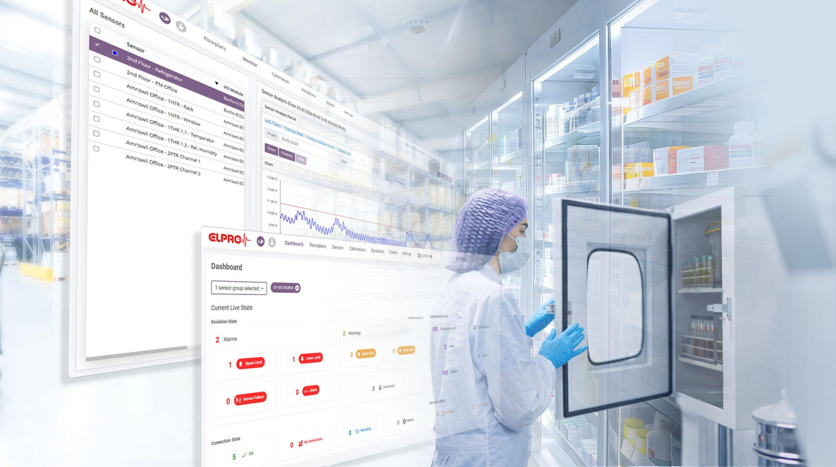
Environmental Monitoring is connected to other quality activities. Media preparation, plate lifecycle management, production scheduling and microbiology testing can all contribute context to quality records. A connected platform can bring these workflows into a common digital environment, improving access to related information and supporting end-to-end traceability.
Sensor integrations may extend this view by bringing supported temperature, humidity or equipment data into connected workflows. These capabilities depend on system implementation, configuration, data quality and the organization's procedures.
Looking Ahead: Sensors, AI and Pharma 5.0
Connected data can provide a foundation for advanced analytics, including trend detection, anomaly identification, risk-informed review and predictive analysis. AI may help identify patterns that warrant further investigation or assist with the preparation of quality insights and reports. Such capabilities require appropriate data, validation or qualification where applicable, human oversight and clear accountability.
The objective is not to replace scientific assessment or quality oversight, but to provide reliable information that helps qualified personnel make informed decisions.
Conclusion
Environmental Monitoring remains fundamental to pharmaceutical contamination control. Its value extends beyond completing sampling activities and recording results. By connecting workflows, strengthening plate traceability and making quality information easier to review, organizations can improve operational visibility and support more informed investigations.
From monitoring to intelligence, the opportunity lies in connecting every activity, every record and every insight.